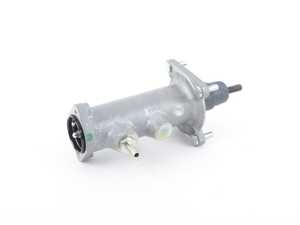
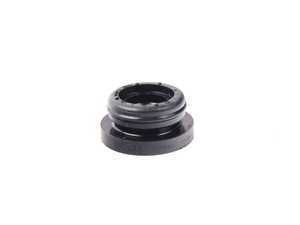
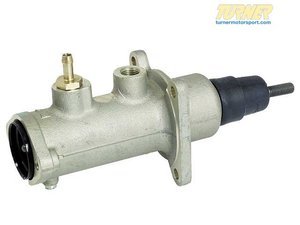
The brake master cylinder is responsible for distributing fluid from the reservoir to the front and rear brake systems. The fluid reservoir actually sits on top of the master cylinder with hard metal brake lines running out of it. There are a few places where the master cylinder can leak and cause a spongy or soft brake pedal. The inside has several pistons with o-rings and seals that can fail and allow brake fluid to escape. Likewise, the external metal lines also have o-rings where fluid can seep out or let air/moisture in.
As you depress the brake pedal, your pedal linkage causes a shaft to move forward in response to your foot, and as this shaft moves forward, it interacts with the brake booster and master cylinder. The brake booster contains a diaphragm that separates its interior into two parts, with both in a partial vacuum. As the brake pedal is depressed, it causes a valve inside the booster to open, which in turn allows air into one side of the booster. This difference in pressure on one side helps to push the piston inside the brake master cylinder forward in response to the brake pedal, which in turn slows and stops your vehicle. If your brakes are feeling soft then it may be a good idea to replace your brake booster
Show More Show Less