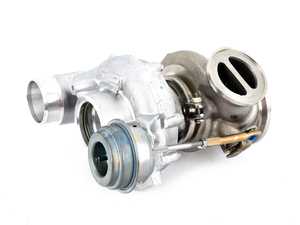
Factory replacement turbos will restore lost power and performance to your turbocharged BMW. If you are experiencing a loss of power, smoking, or wastegate rattle it is a good chance your OE turbos are on their way out.
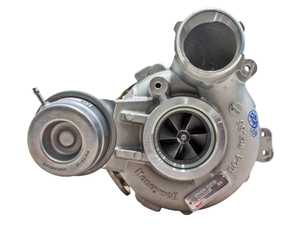
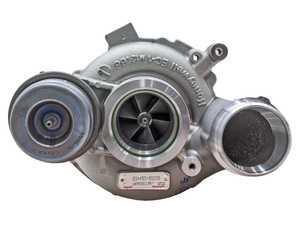
This is an OEM replacement right side (bank 1) turbo assembly for the S63 engine. This is a new turbo from Garrett, not a rebuilt unit. This is a complete assembly, including the manifold to the engine and the wastegate. Signs of a failing turbo are high oil consumption and blue smoke from the exhaust (not from a leak or failing CCV system) because the internal oil seals are no longer retaining oil. Without critical lubrication and cooling effects from oil, the turbo shafts and bearings are usually the first to wear and that requires a complete rebuild. You might also see increased turbo lag or failure to hold boost, which is usually a sign of a failing wastegate or some other internal issue. With any internal problems, the turbos need to be replaced. This is a new turbo - No core charge.
Show More Show Less
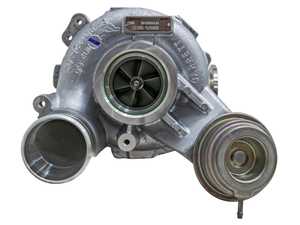
This is an OEM replacement left side (bank 2) turbo assembly for the S63 engine. This is a new turbo from Garrett, not a rebuilt unit. This is a complete assembly, including the manifold to the engine and the wastegate. Signs of a failing turbo are high oil consumption and blue smoke from the exhaust (not from a leak or failing CCV system) because the internal oil seals are no longer retaining oil. Without critical lubrication and cooling effects from oil, the turbo shafts and bearings are usually the first to wear and that requires a complete rebuild. You might also see increased turbo lag or failure to hold boost, which is usually a sign of a failing wastegate or some other internal issue. With any internal problems, the turbos need to be replaced. This is a new turbo - No core charge.
Show More Show Less
There’s a Garrett turbo for just about every size of diesel or gasoline light vehicle engine – from 0.6-liter power units to 6.7 liters and everything in between. For heavy vehicles and off-highway equipment, Garrett’s product range meets the needs of engines with power ratings from 60hp to a mighty 4000hp. Garrett technologies and innovations have been used by nearly every major global automaker, resulting in approximately 100 million vehicles using Garrett products and an average launch rate of 100 new applications annually spanning gas, diesel, natural gas, electric and fuel cell powertrains. Signs of a failing turbo include unusual oil consumption, smoking, increased turbo lag, failure to hold boost, or the vehicle going into "limp mode". To restore the performance of your BMW, be sure to replace any failing turbocharger.
Show More Show Less
There’s a Garrett turbo for just about every size of diesel or gasoline light vehicle engine – from 0.6-liter power units to 6.7 liters and everything in between. For heavy vehicles and off-highway equipment, Garrett’s product range meets the needs of engines with power ratings from 60hp to a mighty 4000hp. Garrett technologies and innovations have been used by nearly every major global automaker, resulting in approximately 100 million vehicles using Garrett products and an average launch rate of 100 new applications annually spanning gas, diesel, natural gas, electric and fuel cell powertrains. Signs of a failing turbo include unusual oil consumption, smoking, increased turbo lag, failure to hold boost, or the vehicle going into "limp mode". To restore the performance of your BMW, be sure to replace any failing turbocharger.
Show More Show Less