Ignition coils are key to the efficiency and performance of your BMW. With a faulty coil, the spark plug is not burning the air/fuel mixture properly, and that can lead to problems anywhere in the engine and exhaust (including catalytic converters and O2 sensors). Problems with one or more coils will cause a fault code, but not always a check engine light. A misfire code may be related to an ignition coil, but could be from other things as well. Sometimes, a visual inspection of a coil and coil boot will give an indication of a failure. You can also move coils around to different cylinder banks to see if the misfire code follows a suspect coil. We suggest always having one or two coils on hand to keep as spares.
Show More Show Less
These speed sensors are an important part of your ABS system. A faulty speed sensor can cause a brake warning light in your instrument cluster, and failure of the anti-lock brakes and traction control system. Replacing a faulty sensor will restore operation and keep your car's wheels from spinning or skidding underneath you.
Show More Show Less
The camshaft position sensor communicates the position of the camshaft to the computer. This helps the computer to calculate proper spark and fuel control. If you're struggling with CELs, hard starts or no starts, stalling, and/or a rough idle, you may need to replace the cam position sensor.
Show More Show Less
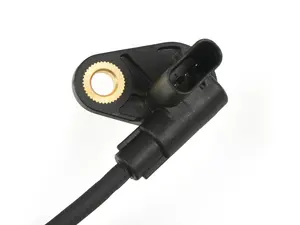
This is the crankshaft position sensor. It provides information for the ECU. A faulty sensor can cause issues with timing adjustment and limit performance and vehicle operation. Replace your sensor with a high-quality Hitachi sensor to restore peak performance.
Show More Show Less
Wheel speed sensors are an important part of your ABS system. A faulty speed sensor can cause a brake warning light in your instrument cluster, and failure of the anti-lock brakes and traction control system. Replacing a faulty sensor will restore operation and keep your car's wheels from spinning or skidding underneath you.
Show More Show Less