BMW Retro Revival - What A Modern Classic Could Be
Unless you’ve been hiding somewhere under a rock, even us BMW enthusiasts are painfully aware of the new 2021 Ford Bronco. It’s the latest in a line of ‘retro-inspired’ vehicles that have followed the trend since Chrysler brought back the PT Cruiser, Ford redesigned the Thunderbird, and Chevy did that horrendous truck convertible thing nearly two decades ago. The Bronco, like those previously mentioned, sits oddly out of place in today's organic stying and methodical approach to aerodynamic efficiency. To be honest, I quite like the new Bronco. I know it’s divisive, especially with no V8 option, but it has successfully garnered the attention of the entire automotive world. Even casual commuters are talking about the upcoming off-roader. This is where BMW comes into play: would it be worth their time to capitalize on the retro-styling resurgence? How would they best approach it? We’re going to explore those questions today in a laid-back thought exercise for this edition Turner Motorsport Weekly. Grab a coffee, relax, and welcome back. We missed you.
|
|
Some could argue the 1-Series and the 2-Series are BMW’s throwback specials to the 2002 and E30. However, we wouldn’t quite call them retro-inspired. They mostly just filled the compact sports coupe gap in their lineup left by the ever-fattening 3-series. Even as the smallest performance cars BMW offers, the 1-Series and 2-Series are still rather bulky. Just look at this M2 sitting next to my E30. The size difference is almost laughable. More than the size difference, though, is the distinct design language change. The 2-series has a formula inspired by the old E30 and 2002, but the design is completely contemporary. It just looks like a mini-F82.
| 
|
|
Since the 1 and 2-Series aren’t quite the ‘retro-revival’ that the new Bronco is, what could BMW do to capture the car community’s attention while offering something contemporary and in-line with their performance heritage? If you remember, a few years back when the M2 debuted, BMW released some stunning concept art that paid tribute to the 2002 Turbo with the M2. It was a face-lifted M2 with a gaping maw, two big ol’ rounded headlights, wide fender arches, and the iconic forward-swept front valance that mimicked the underbite BMWs of the 70s and 80s made famous. Still, it was fairly obvious that this concept was simply a different body kit and paint scheme on an M2. The rounded roofline and high waist made the concept art look a little… unfinished. Not quite our cup of tea.
|
|
| In 2015, BMW did something similar to the 2002 concept with a 3.0 CSL homage that equally missed the mark. They seem too attached to the modern organic lines and refuse to commit with an old-school boxy design. They need to step outside the box to get back to that boxy shape. We think a truly modern interpretation of the 2002 is in order. It’s the perfect car to re-visit, especially now with retro-inspiration in-vogue again and would create plenty of attention from enthusiasts. | 
|
|
We think its time BMW gave us a true effort in terms of revisiting an old design. The 2002 had such a simple, yet inspirational, appearance with its low beltline, fishbowl cabin, spartan interior, and lovably boxy shape. If BMW were to build a modern interpretation, effectively copying and updating the original exterior/interior design, we would be first in line to snag one. But what would power this little car?
|
|
| First, we think we have a name picked out. They could call it the ‘BMW 2020 Te.’ We’re guessing you probably know where this is going in terms of a power source based on that name. Hear us out: it’s a modern interpretation. It should be as modern as it can be underneath a retro exterior. Give it twin electric motors and mount the batteries in between the axles under the floor for excellent weight balance and a low center of gravity. By being tiny, it could overcome the problems associated with overweight electric vehicles. It could even have a manual transmission option with a single-motor variant that would allow drivers to relive that gear-banging feeling the original 2002 made so much fun. It could be a spirited canyon carver or even track toy with the ability to rev high and use its size to make up for the electric vehicle’s inherent cornering disadvantage. |
|
| However, we know electric vehicles aren’t for everyone, at least, not yet. With that, we offer another option. The 2020 Turbo. BMW could use the B48B20 turbo engine from the new Z4 and give it an unrestricted exhaust for some glorious noise. With a 6-speed manual gearbox, 4-cylinder turbo engine, and compact package that looks and feels the part, the little retro coupe could have plenty of get-up-and-go while still feeling like the old 2002 Turbo. | 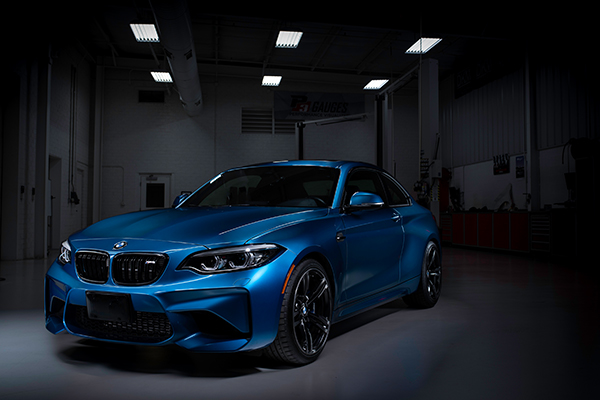
| 
|
|
It could have vintage-inspired Recaro bucket seats, a slim three-spoke steering wheel, and maybe even a-pillar vent windows with rear pop-out windows to boot for that full-on 2002 cosplay. To sell the design fully, a modern refresh of the RS-style BBS wheels in 16x9" and an aggressive front valance would complete the package. We’d be ready to hand over any amount of money for something like this.
|
|

| The real question is, would it sell? With most drivers preferring the crossover instead of sedans or coupes these days, is it too late for BMW to deliver something like this? We think BMW is likely the only company that could pull it off. BMW customers, especially those of us who still enjoy compact sports coupes, are still buying them. Both Honda and Nissan toyed with similar ideas. Nissan teased a 510 concept that was quite true to its original design, while Honda showed us something reminiscent of the first-generation Civic, but neither happened for various reasons. One of those reasons being the falling demand commuters expressed for compact cars. BMW drivers, on the other hand, are still buying 2-Series and 4-Series coupes. We’re certainly accustomed to the direction BMW has taken with the turbocharged engines becoming standard. All BMW would need to do is re-skin a 2-series, slap in a tuned-up B48B20, give it a manual, strip it down, and they’d beat Ford at the retro-revival game.
|
|
What would you think about a modern interpretation of the classic 2002 Turbo? Would you want to explore an electric option or would you prefer the more traditional B48 approach? Is the 2002 the right car to re-visit? We want to hear your ideas and responses. If you think we’re on the right track with this, let us know! If not, tell us how you would do a retro-BMW design or if it should even be done. Give us a shout at [email protected] and tell us what you think. We look forward to responding to all your ideas in next week’s Turner Motorsport Weekly.
|
|
| | |


