| Building a “Reliable” N54
| | | | | If you have been looking for your next easily modifiable BMW-powered platform to hop into and haven’t looked into the N54, you’re missing out! The N54B30, a 3.0L Twin-Turbocharged inline 6 built by BMW is a powerhouse of an engine right out of the box. With 302 horsepower and 295 lb-ft of torque available down low in the revs, this engine is sure to garner some attention from the aftermarket-tuning segment.
| 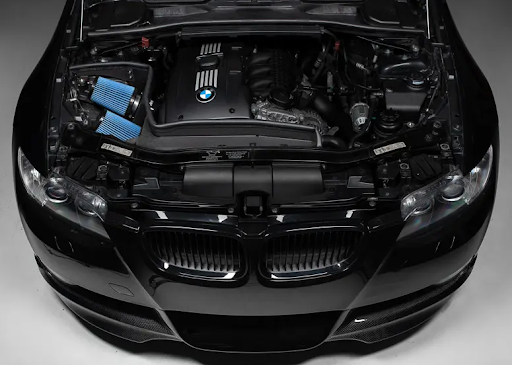 | | The N54 engine is BMW’s introduction to mass-producing turbocharged inline-six cars starting out as early as the year 2007. Being the platform that paved the way for the later S55, B58, and S58 engines it is often now overlooked. In comparison this engine is not as good on paper as the newer models, but it has something that they don’t –character.
|  | | Maintenance:
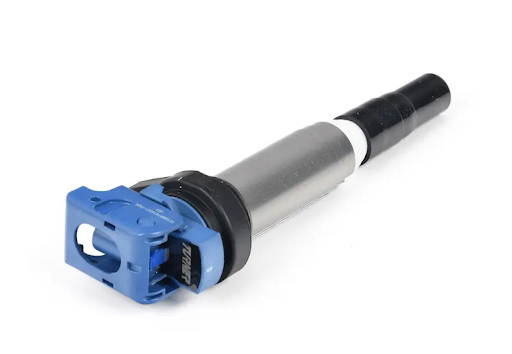
Starting out when you first get into your N54-powered BMW, you may be tempted to start modifying it, but I urge you to look into the existing maintenance history and see what needs to be done. First on the list is nice and easy, plugs and coils. These are a must when prepping to modify any engine, but beyond important on this platform in particular as these engines are prone to having plug and coil failure early on, causing poor running conditions. Next up on the list the maintenance becomes a little more involved, doing a valve cover, valve cover gasket, and oil filter housing gasket are crucial to stopping any potential oil leaks from the top of the engine. From the factory BMW has switched to all plastic valve covers, which hold up to heat quite well, until they start to show their age. With their complex integrated PCV system, you are best off by replacing the valve cover with the gasket at the same time. While you are in there, the oil filter housing is notorious for leaking due to the heat the gasket sees over the years of operation, so taking care of this early on will ensure your N54 will be as leak-free as possible.
|  | | Cooling:
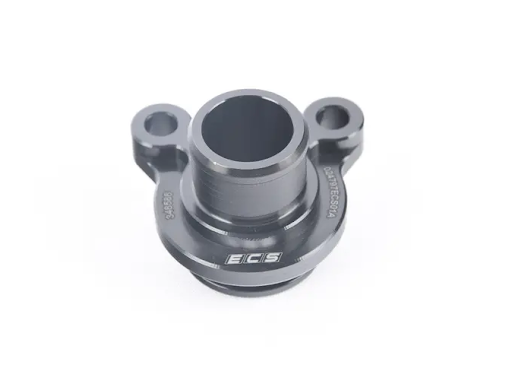
When anyone talks about issues with the N54, cooling problems tend to come to mind, here is a segment of the maintenance list that you have the opportunity to do some upgrades along the way. Starting off the list with the simplest and most effective cooling fix, the “mickey mouse” flange and water outlet on the front of the block. The flange from factory is a plastic material that degrades over time often cracking and leaking. Replacing this is simple and quick, paired with a new, silicone coolant hose to keep the heat-degradation at bay. When it comes to keeping your N54 running as best it can, replacing most of the key components in the cooling system is extremely important. The electric water pump BMW put into these cars has a plastic housing, and a lousy motor causing early failure. There are a number of replacement water pumps on the market that now have an aluminum housing, eliminating the possibility of plastic degradation and cracking due to the immense amount of heat these endure being tucked away on the turbo-side of the engine. After you’ve taken care of the water pump, the next logical step is to replace the factory radiator which has plastic flanges on either end tank connecting to the upper and lower radiator hose which often crack and cause hard-to-find leaks. Upgrading these key components are key to ensuring your N54’s cooling system is operating at it’s best.
| | | | | | Engine:
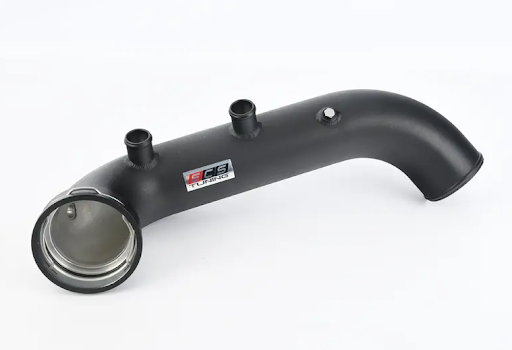
The N54 engine is stout and can take loads of power, but certain components, regardless of what your end goal for the car is require replacing to keep the factory performance or become capable of increased levels of performance. The charge-air system on these cars is comprised of plastic components which more often than not, end up leaking boost, making the car sluggish and feel as though it is underperforming. Remedy this by swapping out to a heavy duty aluminum charge pipe and upgraded intercooler to ensure a leak-free system!
| 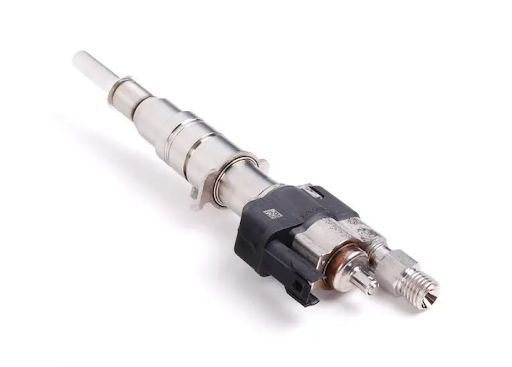 | | Fueling tends to be the biggest issue with these cars as their mileage starts to increase, and the biggest culprits are the high-pressure fuel pump, and piezoelectronic direct-fuel injectors. These can often be pricey and many choose to purchase second-hand units, but as a wise man once said “buy once, cry once”. BMW went through a number of iterations for their fuel injectors for this engine, (twelve to be precise) but the best and only version in production is the index 12. These injectors are often pricey but can make a huge difference, changing your car from a misfiring, fuel leaking monstrosity, to running like a top. In the high-pressure fuel system feeding these injectors is the high pressure fuel pump which also fails typically over 120,000 miles causing similar issues to failing injectors including drops in rail pressure, poor running conditions, and poor starting conditions. Replacing the HPFP is a fairy straightforward job, just removing the intake manifold grants you complete access to it.
| 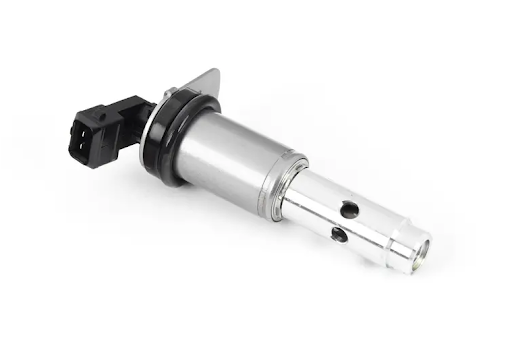 | | Engine electronics and sensors are also an issue on any engine when you are talking about higher mileage examples. The worst offenders of this on the N54 are the Vanos solenoids. These control how BMW’s Vanos system functions and ensures it is operating as it should. Many enthusiasts when replacing these also overlook the seals on the front of the engine and develop an oil leak from here. Luckily this job is as simple as removing and unplugging the old solenoids and seals, installing new seals, new solenoids, and plugging them back in!
| | | | | | Platform Overview
The N54 engine is not for the faint of heart, but it is rewarding to those who are willing to put the time, effort, and of course, money into it. This engine provides one of the most exhilarating driving experiences with it’s quick to react spool time from the parallel twin turbocharger system, it is pure straight six power at its finest. Many naysayers will steer you away from the platform, but don’t let the maintenance list scare you away from owning one of BMW’s best Ultimate Driving Machines!
| | | | | |