| The Ultimate Snow Driving Machine
After the snowfall this past week that many of the eastern states received, I’m sure some drivers are kicking themselves for a lack of preparation. Meanwhile, those of us who anticipate this weather were excited to get out in it to justify all our work. It may have been a ten-year snowstorm, but a well-prepared driver should be ready for this every winter season. Even though we’re solidly halfway through the cold months, it’s never too late or too early to start making moves that will have you better equipped to deal with snow-covered roads. This edition of Turner Motorsport Weekly is what you can do now to make sure your BMW can handle snow-covered roads.
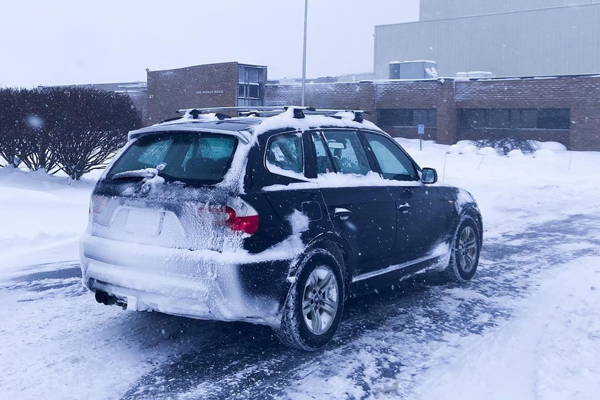
| | | When I woke up Monday morning to nearly two feet of snow outside and hardly any signs of it stopping, I knew that commute was about to be a blast. I didn’t experience this kind of weather until I moved up here, but it only took one season to realize the critical importance of vehicle prep needed to make the difference between suffering through the winter and looking forward to it. Now, this kind of snowstorm is what I excitedly wait for thanks to the maintenance and preparations I made to handle it.
| | First and foremost, it’s important to either have a dedicated winter vehicle or a winter setup for your daily driver if you live in an area that receives annual snowfall. While those kinds of measures may seem like a gamble that the money spent on good tires will be justified by receiving a hefty snowfall, they pay off when you don’t have to worry about driving in extreme conditions. No, we may not have snow and ice-covered roads every year, but they can and will happen, especially when you aren’t prepared for it.
| 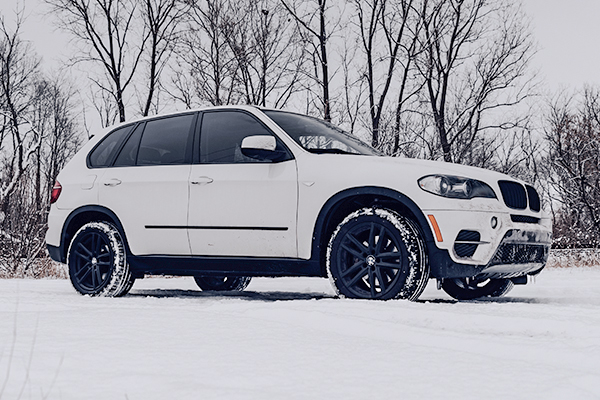 | | Whether it’s your daily that has a spare set of winter tires or a dedicated winter vehicle that spends all its driving time on winter tires, the common factor comes down to the rubber on your car. Snow tires, or snow-rated all-terrain tires, are necessary for winter driving. Whether your BMW is AWD-equipped or not, snow tires make the biggest difference in drivability. They improve your traction leaving from a stop, keep you planted on the road through the corners, and offer reduced stopping distances compared to summer or all-season tires in the same conditions. AWD may help you accelerate with even more traction, but it certainly isn’t as necessary to handle winter conditions as proper tires are.
| | For my winter-driven X3, I chose a set of All-Terrains so I can drive it year-round without worrying about excessive treadwear during warmer weather. However, I did ensure the tires I selected were snow and ice-rated, as the primary purpose of this car is to tackle unplowed roads with ease. As I found this past week, it certainly did that. At no point was I stuck, even electing to drive without traction control on so I could slide around at will, hooning and having fun while onlookers shoveled their driveways, stuck in place.
| | NEED WINTER TIRES? OUR WHEEL AND TIRE PROGRAM OFFERS WHEEL AND TIRE COMBOS WE MOUNT, BALANCE, AND DELIVER TO YOUR DOOR! Call 330-331-2003 to explore wheel and tire options.
| 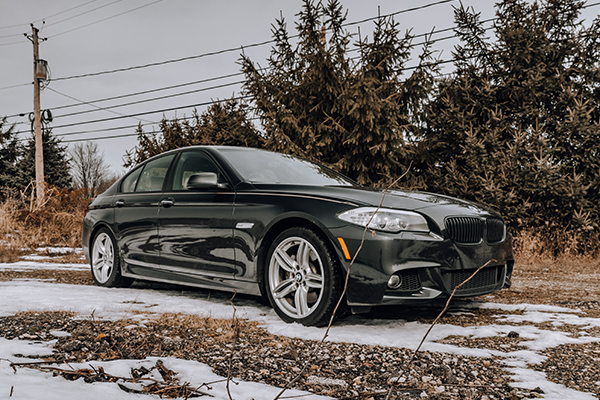 | | Many times, I found myself pulling other less-prepared drivers out of sticky situations. FWD sedans with all-seasons were stuck on piles of snow in intersections, parking lot entrances, and even their driveways as they made the poor decision to try and drive despite their lack of preparations. Fortunately, being a good samaritan, I had tow ropes with me that I hooked to my trailer hitch to rescue a few unfortunate drivers.
| | What would have prevented the need for me to come along and rescue them? In all the cases I encountered, two factors were missing. First, the knowledge that even with proper tires and drivetrains, snow makes your car behave differently. If you aren’t used to using the throttle to steer, anticipating understeer in braking, or conscious of how to use your momentum, even a well-equipped car can be stuck. Secondly, none of the drivers I pulled out of the snow had snow tires or any means of rescuing themselves. Translation: they were completely unprepared and out of their element. So why did they choose to drive?
| | The answer is simple: they do not feel as though they are ill-prepared and presume that years of driving experience equates to experience driving in different conditions. The fact is, most drivers spend almost zero time driving in snow. So how else do you prepare for it besides tires if you don’t have that much access to those conditions to practice? You use the time you do have those conditions to get as much experience as possible.
| 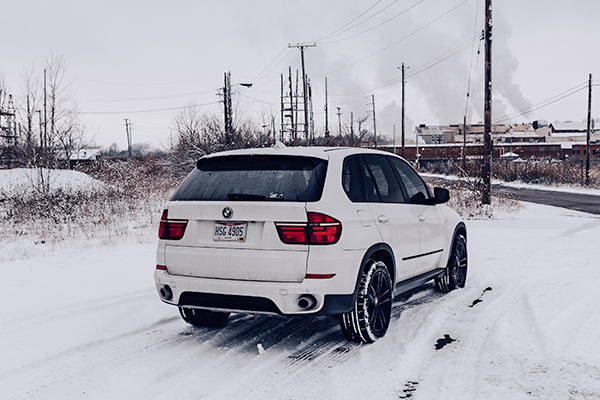 | | I try to spend as much time on the unplowed roads as I can, after a brief parking lot donut session, of course. While fun, this exercise serves a purpose. It allows you to get a feel for the limits of your traction when accelerating, turning, and braking. No two snowfalls are identical, so it also acclimates you to the specific conditions you’re experiencing right then. Jumping in your car and just driving towards your destination means you’ll have to feel the changes in your car’s behavior on the way. Stopping even for just a few minutes to rip a few slides in an unplowed parking lot will tell you exactly how your car will behave in the worst of what you’ll face for the duration of the storm.
| | Beyond proper tires and some seat time in snowy conditions, there are a few other things you can do to make even the toughest winter driving more comfortable. Namely, maintenance and emergency supplies. Through all this winter driving, I pushed my beater X3 incredibly hard. It spent most of the day in second, third, and fourth gear, bouncing off the rev limiter as I enjoyed the empty, snow-blanketed streets. Had I not ensured everything with the engine and drivetrain were up to par before this winter, I could have found myself either without a snow vehicle when I needed it or stranded thanks to a mechanical failure that could have been prevented.
| 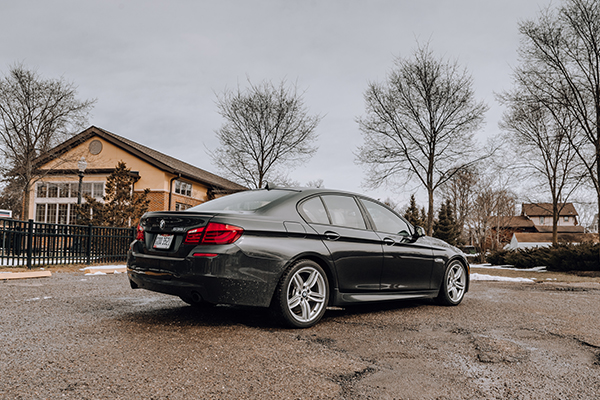 | | By even doing just basic maintenance like the cooling system, oil service, transmission and differential services, brake system, transfer case, and suspension refresh, I made sure none of the common X3-killers would have an unfair advantage against me this winter. I can rely on my meticulous work and know that even what’s considered an ‘unreliable’ BMW can be dependable when it needs to be. No matter what BMW you have, you’ll need to make sure that maintenance is up to date. It may be much less work than I had to do on a non-running X3 I pulled out of a field, but you likely have something that could use attention. Hindsight being 20-20, a full inspection is something you do in anticipation of winter weather, not during the coldest part of the season. However, if it is something you slacked on before this season, it’s better to do now than bank it won’t be a problem before spring arrives.
| | | | | | | | | | Additionally, it’s a good idea to keep a few handy pieces of kit in your winter car just in case. I made sure I had a full set of travel tools that included torx bits (dang Euro cars), a portable jack, a jack stand, tow ropes, and an emergency flare in my trunk before I set off in the snow. Whether I had something break or someone else did, I’d be ready to at least patch it and prevent a potential tow in the worst conditions possible. I also keep a large snow brush, phone charger, extra water, some protein-heavy snacks (I love GORP and yogurt), a flashlight, blanket, and some additional clothing. A collapsable shovel is a good idea to consider, too, though I don’t keep one with me.
| | | | | | | | Even just outside of town, being stuck could mean hours before someone comes along to help. You may need to do something to keep warm, have something to eat to keep up your energy or charge your phone to make sure they can find you. The point is, assuming you will be stranded and preparing for it means that if you are, you’re not worried. You’ve planned for this. If you aren’t stranded, then you have nothing to worry about, but you know that everything would have been fine in either case.
| 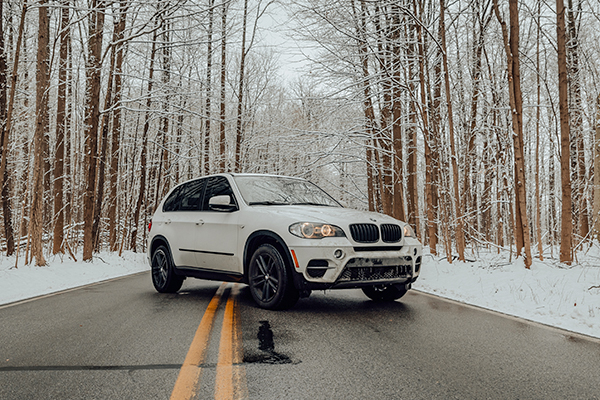 | | Lastly, my final observation is that you stand a better chance to make a difference for other drivers when you are prepared. Rather than fault them for their lack of planning, demonstrate to them the importance of having a winter weather plan and supplies ready for that possibility. All three drivers I rescued commented on both their surprise as to how cheaply I had set my X3 up for this weather and how indomitable it was through even the worst that snowstorm had to offer. Without hesitation, my X3 pulled two stranded civilians and a stranded police officer from the snow because I was prepared. None had been stranded long before I drove by, but in two of the three cases, I was the only other car on the road. Without a good neighbor to rely on, these drivers could have been stuck for much, much longer, potentially without food, water, phone charging abilities, or the clothes to keep them warm.
| | Ultimately, a failure to plan is a plan for failure. You can’t bank on someone else being prepared for the weather and willing to help you, but you can plan to be prepared yourself. Prepping your BMW for winter driving can be the difference between a stressful, dangerous, commute and a fun drive in rare weather. It can also show others the importance of snow tires, winter gear, and a community mindset in winter weather. Whatever BMW you drive, you can make it a winter car. Just make sure you tackle that maintenance, follow our advice, and stay in your comfort zone.
| | | | |