| 
| Track Safety
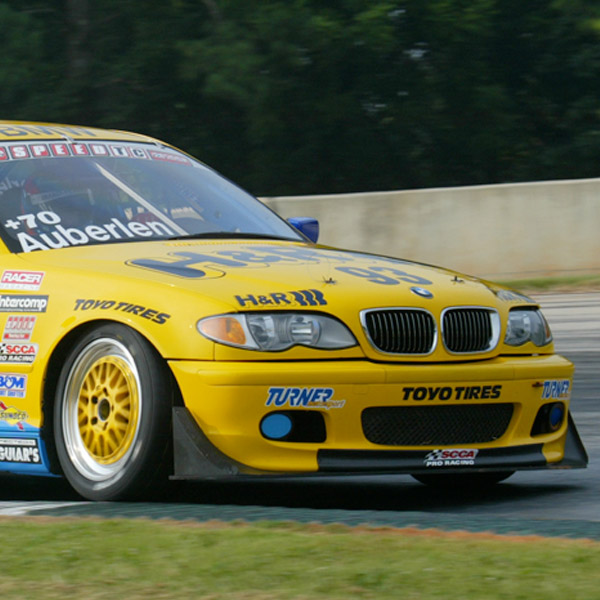
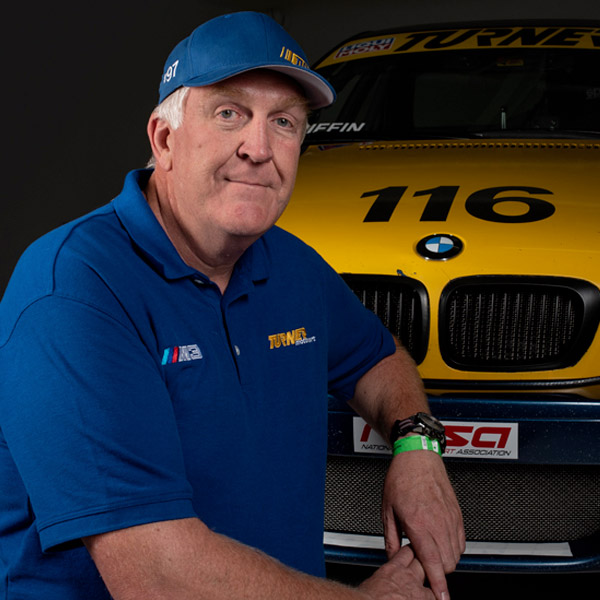
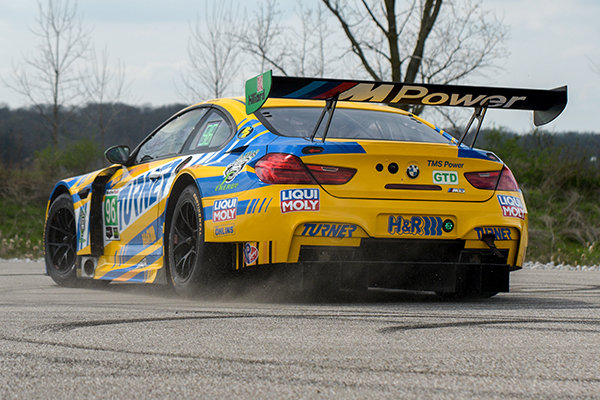
At Turner Motorsport, we clearly live for racing BMWs. While a major part of our contribution to the BMW community is through the sales of performance parts to help make your car faster, more nimble, and more suited to aggressive driving, we are also concerned with providing information to help you succeed on the track. Lately, we have focused heavily on performance modifications for adding power or improving the handling of specific BMWs. As we settle into this season of racing and look forward to cheering on Bill Griffin in the SpecE46 car, we thought it would be an appropriate time to discuss something more important to you and your BMW on and off the track than any other set of modifications. This week, we’re revisiting our Keys to Performance series with everything you should know to get started researching the racing safety equipment you need.
Often, we are quick to shell out cash for new coilovers, software, or various other go-fast/look good bits that make our BMWs look and drive the way we desire. What we justify to spend on those parts is generally as much or more in terms of dollars spent than that budgeted for equipment like seats, helmets, suits, gloves, shoes, roll cages, and harnesses. However, no matter what kind of power your BMW makes or how well it handles, nothing can replace your life in the event of a serious crash. Racing safely should be everyone’s primary concern when it comes to putting your car on the track.
This ‘safety first’ mentality is right in line with suggestions on how to get started racing according to our own Don Salama. When we last interviewed Salama, he advised prospective drivers to start out with their car as it sits in the driveway rather than build something first. This will allow you to not only begin to learn the limits of your car as you progress but will also help you form a comprehensive plan to follow when outfitting your car each time you outgrow its capabilities. Early on, you really don’t need that much, but tracks can be unpredictable. If you’re just getting started, here’s what you’ll need to know:
So you’re about to sign up for a track day. You might wonder what you should bring and what the event requires. |
|
| | 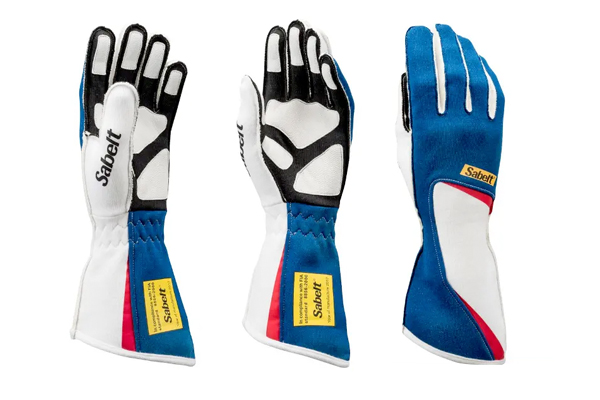
| | First, check the rules and safety equipment required to participate. Then, you’ll need to check what certifications they require for your suit, helmet, gloves, and shoes. Some events won't require a full suit or anything early on, but if you're on a track, especially wheel-to-wheel, having a suit can be a lifesaver if a wreck results in a fire. |
|
| | | 
| Most places require a racing helmet, the exceptions being some small drag strips. Even grassroots drift events require the use of a helmet at the very least, and those events tend to be the least stringent when it comes to safety requirements. So get a helmet that is sized accordingly and meets the highest requirements you need. Racequip has several options that are certified and quite stylish.
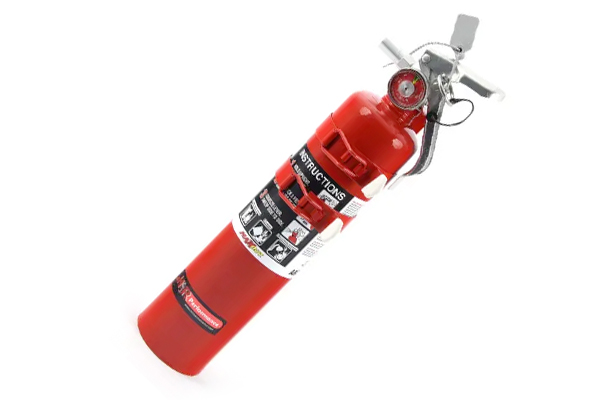
Additionally, a fire extinguisher is usually required to be mounted in the car within reach of the driver. This is something we encourage you to go ahead and buy whether it's required or not. The extinguisher and a good fire suit could save you and your car in the event of a catastrophe that results in combustion where it shouldn’t happen. |
|
| | | 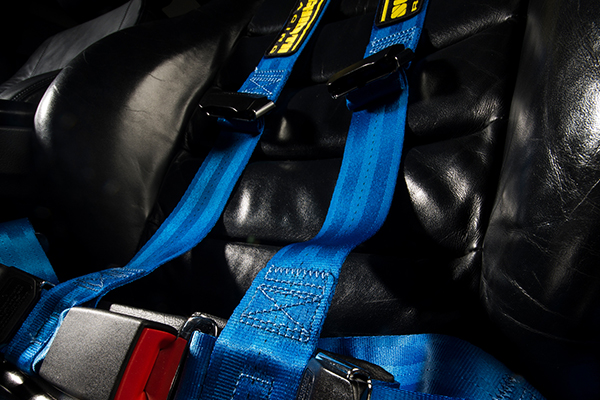
| | Racing seats are the next logical step, with harnesses, a harness bar, or perhaps a roll cage. The purpose of a racing seat, contrary to what your local stance enthusiast might say, is to restrict your body from excessive reactionary movements in a crash. A proper seat should have head containment, effective shoulder support, and bolsters that hug you fairly tightly. Harnesses should route through the shoulder pass-throughs and should be neither too high or too low. Your seat needs to be tailored to your body as does your suit, so make sure you get the measurements right. It could save your life. |
|
| | | Specifically, head containment is almost essential in higher levels of racing. Older race seats traditionally do not have containment, as they favored visibility and left that work to neck supports. However, according to research by Racetech and MOMO, the head containment seats prevent potentially lethal movement of the head and neck in the hardest side impacts that are often the worst-case crash scenarios. Better safe than sorry, but remember, you can’t really use a racing seat with a head containment on the street. So buy your seat based on where and how you drive most frequently.
For advanced racing series, a full cage is usually required. Door guards and a hoop could be the difference between you walking away from a hard hit or being carried away. The importance of the cage is twofold: structural rigidity and crash protection. The added rigidity offers a performance benefit, but the real function is to protect you and any occupants in a high-speed impact or rollover. Don’t worry, though, by the time you reach that level of racing, full cages will most likely be required. Just prepare for that to be an inevitability if you intend to progress that far. For now, harness bars should be adequate.
Race harnesses are the bow that ties the system together. Harnesses are designed to strap around the strongest bone in the body, your Iliac Crest at the top of your pelvic bone, which is the sturdiest resistor in your body to impact forces. The lap belts of proper harnesses use that part of the pelvic bone to restrain you in a crash or rollover, while the shoulder harnesses are designed to keep you firmly in your seat back. According to MOMO, it is a common misconception to over tighten shoulder belts. Shoulder belts can cause a spinal injury, collar bone injury, or worse if over or under tight. They should be snug but not completely pin you to the seat. Make sure your belts are the proper height through the pass-throughs as we mentioned earlier. |
|
| | 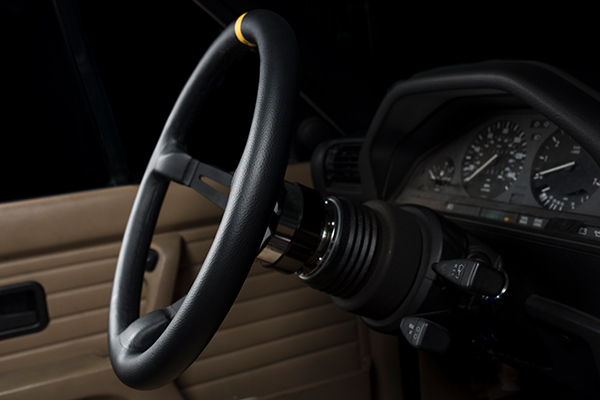
| | Racing wheels are really more for looks than anything unless you happen to be in a Formula 1 car or another top-tier league that have multiple functions on the wheel itself. However, most early events in your future will require that your airbag is removed from your factory wheel. This just looks gross, in our opinion. A racing wheel with good grip and a comfortable feel will look the part and allow you to fit a quick release for easier ingress and egress from the car. MOMO and OMP have been making exceptional racing wheels for decades and are generally preferred by serious drivers and teams, Turner Motorsport included. |
|
| | | There are, of course, more safety requirements not covered here that you should make sure to research well before your first event. Kill switches, fire suppression systems, battery tie downs, fuel cells, and more could all be required by certain bodies, so familiarize yourself heavily with the rules to prevent being turned away at tech inspection. Lastly, remember that the whole point is to have fun racing and becoming a better driver. You can replace a car, but it's hard to replace yourself. Safety equipment can’t really be overdone. While a racing body may not require certain precautions, you are better off having some of this equipment and not needing it than the other way around.
So let’s recap. Early on, what we suggest is:
- A fire extinguisher and mount bracket
- A certified racing suit, underwear, shoes, gloves, and helmet
- A certified racing bucket seat, ideally with shoulder and head restraints for the most protection
- Certified 5-point harness, adjusted correctly
- A harness bar early on, a full roll cage as you progress
- A racing wheel, hub, and quick release (optional)
|
|
| | | | With your safety in mind first, you stand a better chance at protecting yourself in a serious accident on or off the track. BMWs are safe cars, but they are designed around protecting you in normal traffic accidents on normal driving roads. The engineers did not develop their safety systems with the race track in mind, which leaves supplementing those systems up to prospective racing drivers. At Turner Motorsport, we value racing safely above all else. Don’t become a statistic this season. Outfit yourself and your car with the necessary equipment to help you confidently drive at ten-tenths with the protection to keep you secure in the worst-case situations that no one can rightly predict. |
|
| - - - - - - SUGGESTED ARTICLES - - - - - - |
|
| | |