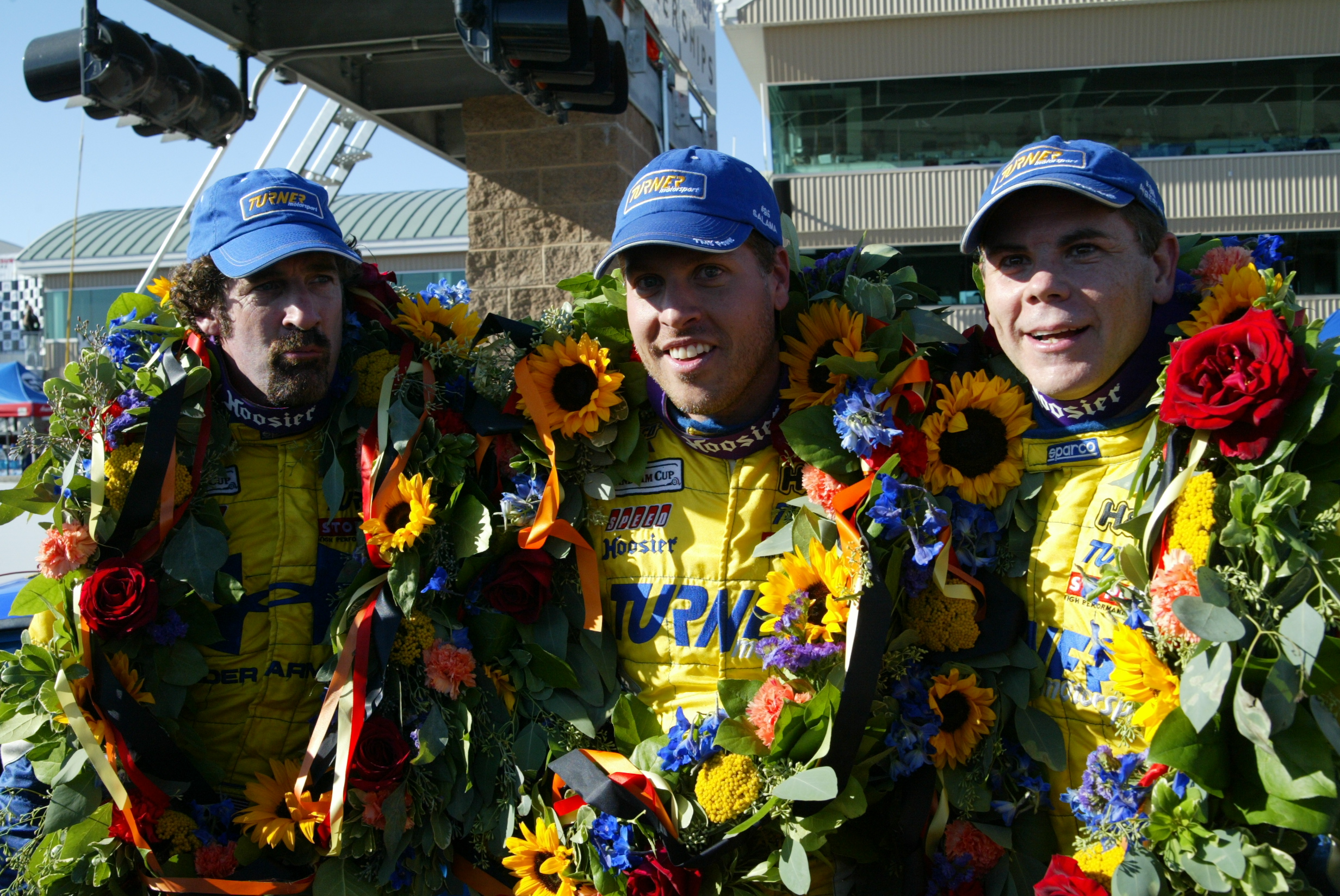
The biggest question we are asked is ‘what do I need to do in order to start racing my BMW?’ People with E36s and E46s are now more comfortable than ever to feel inclined to track them, but where should they start?
Well, I have been doing this since I was 16. I am 57 now. Looking at people who are in their late teens and early twenties and say they want to be a race car driver, I can usually see who will be successful or not. Really, there are only a few things you need to do to get the resume where you want it.
If you want to be a successful professional or amateur, first, you need to get on a track as much as possible. I don’t mean racing, I mean anything. You need to go to track days. The number one thing you need to modify about your car has nothing to do with the car. You need to get an ability to read feel the car with your feet, hands, and butt. That will only come from time spent in the car. Not from bigger brakes, or suspension, or other modification other than tires, but you don’t need tires to go from amateur to a more confident driver.
Getting that experience is going to come from instruction. There are many clubs that offer track days, and you need to do them.
Simultaneously, you need to use autocrossing to learn. I am a big fan of bringing what is in the driveway to an autocross track. A lot of learning tracks has memory involved. Often, it takes days and days of driving tracks to get the lines right. In autocross, you get to walk the course and then you run three or five runs then you’re done. The ability to memorize what that turn looks like and to translate where you brake and how you control the throttle in that little corner is actually much more difficult at 32mph than it is at 98mph. I think any adult who is serious about learning in a physical car should start with autocross.
When I am looking at drivers that are coming up, I will see drivers that are really talented and fast but missing a critical component. They are missing the ability to translate feedback they feel in the car to the engineers or crew. Some people can do it with non-technical language, but the best are able to do it with technical language. They understand mechanical components, suspension, and tires. That comes from experience. I know so many drivers who are fast but then get out of the car and their only feedback is vague. Good drivers get out and know exactly what changes need to be made and understand the dynamic between making one or two changes and how they affect the car in other ways.
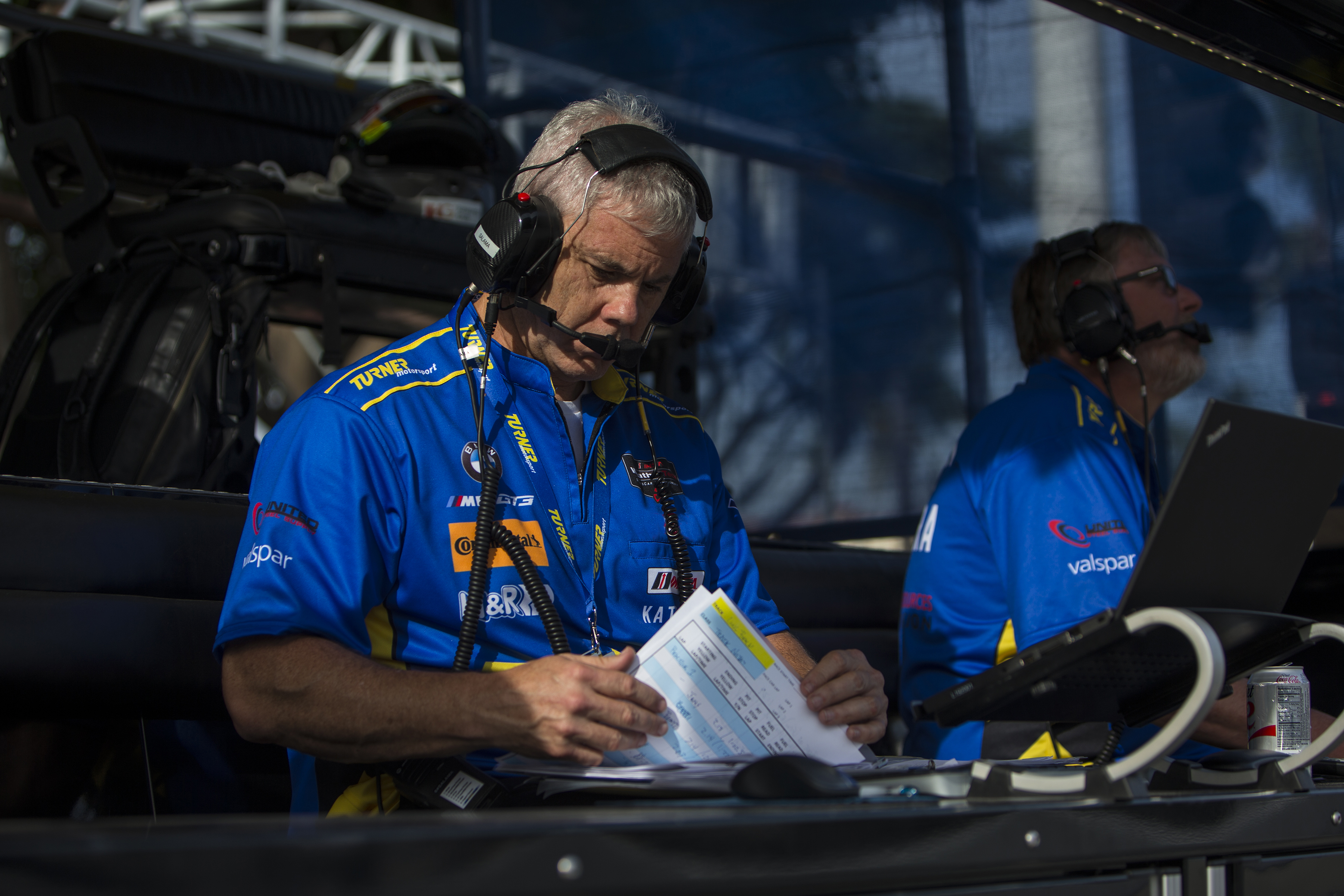
It really sounds like that someone wanting to get into racing needs to be able to not only drive but to take care of their car and understand what changes they need to make to their car in order to be competitive?
You can have the best car out there, but if you don’t have the ability to translate how your car feels to what you need to change, then you can’t win. Get out of your car and change an adjustable sway bar setting and see what that does on the next session. Take different tire compounds and put them on the car and see how that changes the driving feel. You need to experience the changes and need to experiment in order to learn. Get your ass in a seat and drive.
What is the best BMW car to start with? What would you choose to actually start in?
Money is sort of a factor, but don’t start with a car that is overpowered. Sometimes, overpowered cars mask a lot of things. I would look at an E36 M3 or an E46 M3. They are good and reliable. I would not get into an E9X M3 or anything newer if you are in your driving infancy. You don’t have to get an M-car, though. If you are at the very early stages of your career and learning your car, the difference in suspension between an M-car and a non-M will not hurt you.
Do you think a sedan or a coupe is a better platform?
We had more wins in the sedan, but we saw no difference between the two platforms. Both are equally good options.
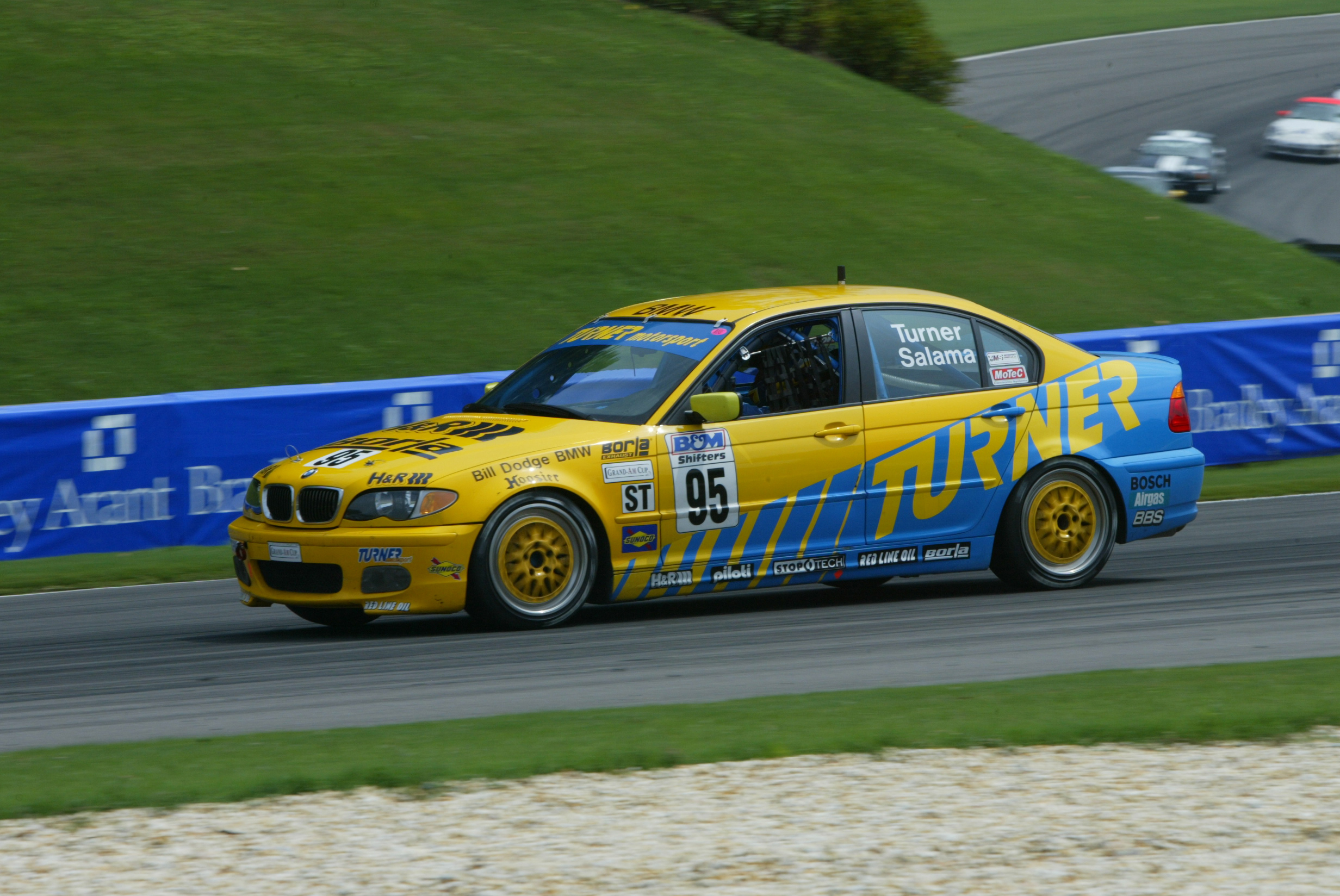
What are the absolute must-haves for modifying your BMW for the track?
If this is your first day, you don’t need a cage or a bar. If you are starting to spend more time with it or it is a dedicated track car, you absolutely need a cage or at least a bar. Especially in older cars.
I’d recommend a racing seat and a bar if you are going to track your car regularly. Holding your body in place is critical to actually driving a line at any speed. If your body moves, you are struggling to hold your feet in position, but you also can’t get feedback. You need a harness that keeps you in place even if you don’t have a seat.
Next, I would suggest tires. It is important that you run tires that are endurance race-oriented. You will get a lot of time, but more importantly, you will get better feedback from what the car is doing with an R compound.
Once you are not a rookie, I’d be doing suspension next. This is where you get to experiment. This is where you get to change shocks, springs, sway bars, and change settings to make your car behave differently in the corners. It is very difficult to learn how to set up a shock, but if you don’t experiment, you won’t ever learn.
After that, I would say physically brakes. Early on, brake compounds are really important. You need a pad compound that has better endurance early to prevent fade. Often, people talk about big brakes, but I am not a big fan of them. On modern BMWs, you don’t really ever see fade to a point that would require big brakes unless you are really out there experiencing severe fade.
I haven’t mentioned power because unless you are racing in a category, power is irrelevant. If you give me a 90HP car or a 700HP car, I will learn how to optimize that power and how to come out of a corner. Now, as you get extraordinary power, how you use the throttle becomes important. Most people treat it like an on/off switch. Power will teach you how to feather your throttle inputs.
When would you suggest switching from a spring and shock setup to a coilover setup?
You should upgrade as your knowledge and sophistication increases. As your ability to adjust and fine-tune gets better in your head, you need to make those upgrades to your car. Prepackaged solutions that get your car close are a great option. Having someone else figure out the stuff you don’t understand yet will help you learn it and will get you really close to optimal settings for your car.
What would be the biggest pitfalls of a new driver setting up their car that you have seen?
They spend too much time and money on the car rather than on themselves. If you put 20 grand into a car, it will be faster, but your skill won’t increase. As you increase the money on power and on better tires and suspension, the window gets narrower on how it behaves. It becomes less forgiving. When it goes over the limit and you are less skilled, it will hurt you more. The car is not as forgiving as a way to learn how to react say if your car lets go in the rear.
So everything comes back to training yourself not training your car?
Yes. I think physical training comes into it a lot. I know I can be physically fit or not so and drive a car at the limit, but I know my reactions are always going to be better when I am trained and fit and focused thanks to the work on myself outside of the car.
What would be the least amount of money it would take to get into racing and what is the absolute limit you would spend?
From my experience, autocross is really important to learning. I can imagine a beginning racer saying they should go to 5-10 autocross events and maybe 5 track days a year. It is really important that they are also driving their car to and from the events. Tires, cost of entry, safety equipemt, and travel; all that should be about 5-10k a year.
If you are the next step up from amateur, your budget is going to go up. If you can do the work yourself, which I would encourage, your budget will be lower. You will also at this point start wanting to trailer your car and upgrading your car and going to more events. Your numbers will look like 20-30k a year in expenses.
Takeaways
Speaking with Don gave us a ‘lightbulb’ moment: many aspects of driving we previously understood or just took at face value took on new relevance thanks to his words of wisdom. Looking at racing as a mental challenge rather than one of a mechanical nature seems counterintuitive as a parts manufacturer and retailer, but it actually makes more sense when extrapolated over the career of a driver. We encourage you to take your BMW or take this advice and find a BMW to take to an autocross event as soon as possible to start improving your own technique. As Don says, get as much seat time as possible and begin to learn your car’s behavior, then upgrade in stages. As always, Turner Motorsport will be here to provide critical advice as you begin your career as a BMW driver and to offer the best performance parts to help your car grow alongside you for the best racing experience.