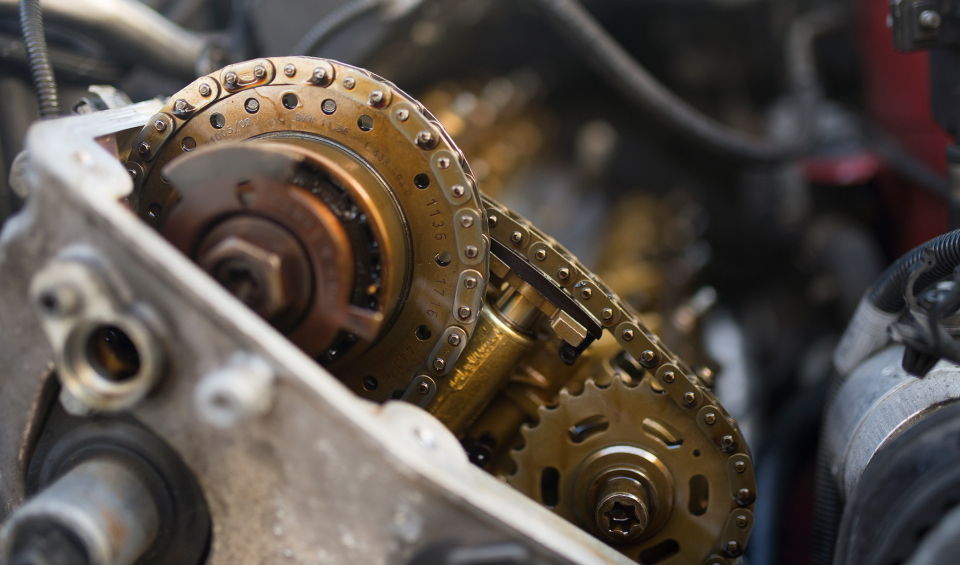
When you are dead set on improving the horsepower and torque output from your BMW, your first thought is often to throw parts and a tune at the engine and hope for massive gains. On Naturally Aspirated engines, the biggest improvements all come down to three principles: add volume, increase rpm, and improve engine timing for increased output. The methodology behind these changes is simple since more airflow at a higher velocity and cooler temperature allows for more fuel to be added, the engine can produce a bigger explosion that translates to more horsepower and torque. The restrictions of performance parts like a better flowing intake, a higher volume plenum, sport-tuned exhaust, and engine tuning are that they are at the mercy of the camshaft or camshafts. In this installment, we will explore how camshafts work, what it takes to increase the performance of your engine with different camshafts, and how it all ties together with timing and your Air/Fuel Ratio (AFR) for optimal results in your BMW.
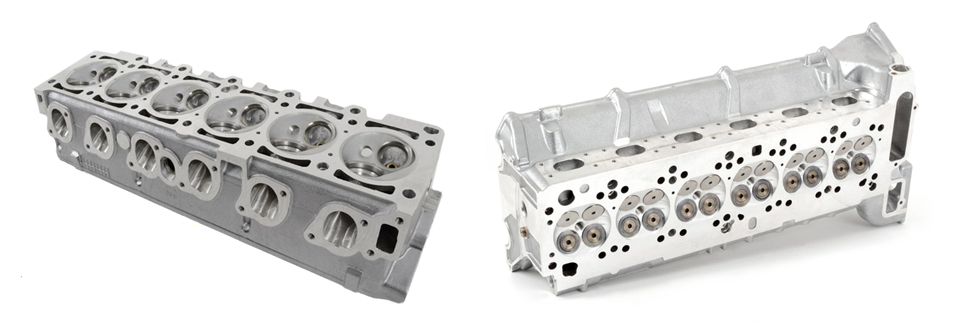
First, let's take a closer look at the two basic layouts you will find in BMW engines. All modern passenger car BMW engines are either a Single Overhead Camshaft engine (SOHC) or a Dual Overhead Camshaft engine (DOHC). These designations refer to the number of camshafts per cylinder head. Engines with only one intake valve and one exhaust valve per cylinder, like the M20B25, have only one camshaft in their cylinder head. These engines are perfectly capable of benefiting from a higher performance camshaft but are limited in their fine-tuning for something called angle separation, which we will cover later. The DOHC engines have two camshafts per cylinder head, like in the S52B32, where there are more valves that require more cams then there is space for them on a single camshaft.
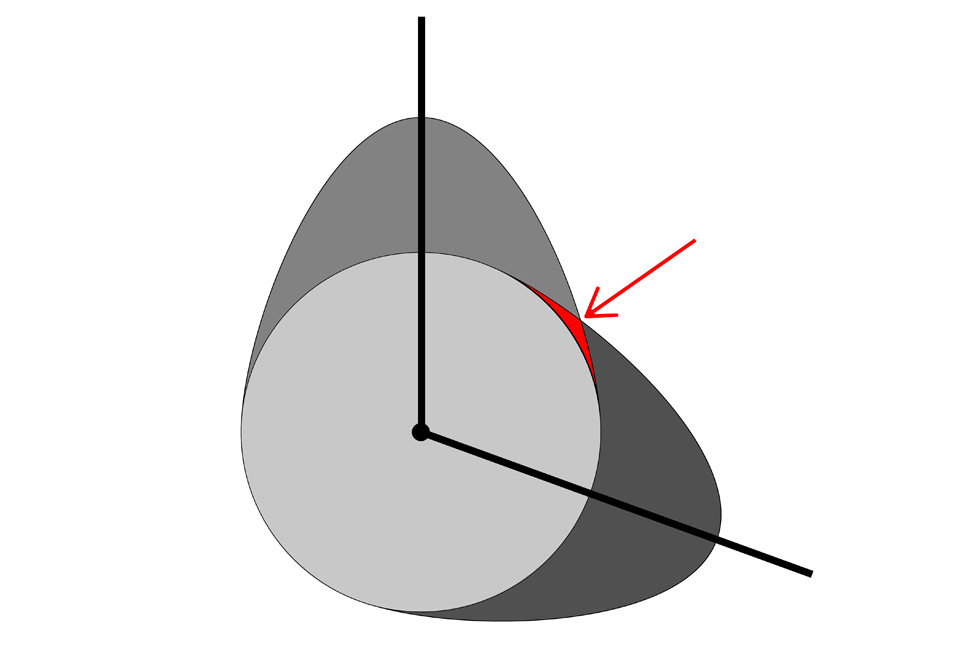
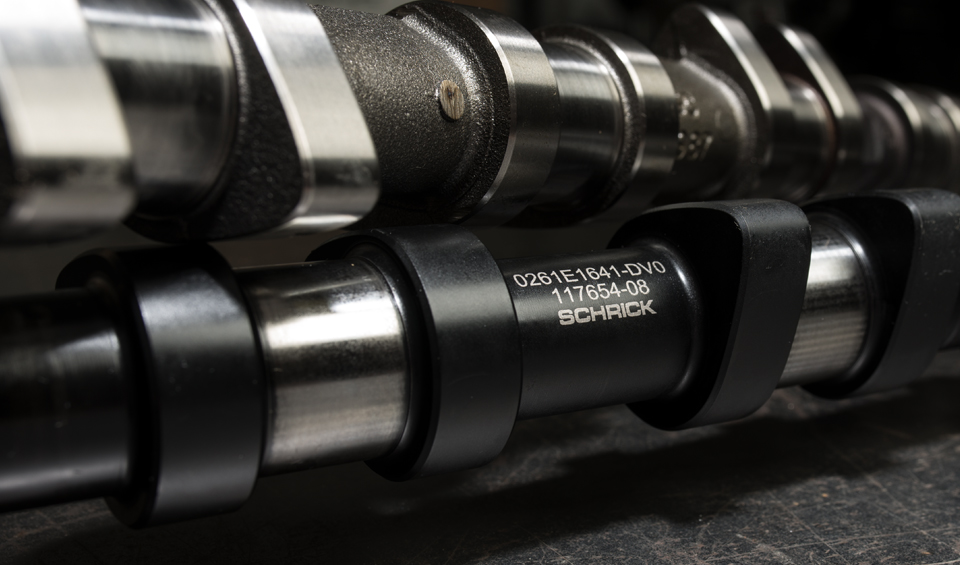
Your BMW will either be a SOHC or DOHC engine, but the principles of how a camshaft operates and their function in the engine remain consistent. Your camshaft is a spinning shaft that is driven by an external camshaft gear or sprocket by the timing belt or chain. The spinning shaft has egg-shaped lobes, called cams, that are clocked at specific angles. These cams rotate and use their pointed end to push the rocker arm up, which in turn pushes the valve to an open position to allow for the induction of air and fuel or the expulsion of exhaust gasses. In order to get a picture of how it works inside your engine, imagine slowing down the rotation of your engine to bullet-time.
Create an account to be able to build Wish Lists.